
Exploring the psychological thrills of high-stakes casino games
The Allure of High-Stakes Gambling
High-stakes casino games have a unique appeal that draws in both seasoned gamblers and curious newcomers. The thrill of betting large sums creates an adrenaline rush that can be intoxicating. Players often find themselves enveloped in an exhilarating atmosphere, where every decision carries significant weight. This dynamic can lead to intense emotional experiences, making the act of gambling feel almost like a high-octane sport. For those looking for excitement, it’s worth exploring payid casinos that enhance this thrilling experience.

Moreover, the environments in which high-stakes games are played add to the excitement. Lavish casinos are designed to stimulate the senses, featuring dazzling lights, plush interiors, and an energetic ambiance. The social interaction among players, combined with the tension of watching chips stack or dwindle, creates a compelling narrative. Participants become immersed in a world where fortunes can change in an instant, amplifying the psychological thrill.
The psychological stakes also extend beyond financial risk. Players often find themselves facing internal battles, battling emotions like anxiety and exhilaration. The duality of joy and despair that accompanies wins and losses can create a rollercoaster of feelings that keeps players coming back for more. This complex interplay of emotions makes high-stakes gambling a fascinating psychological phenomenon.
The Role of Risk and Reward
At the heart of high-stakes casino games lies the intricate balance between risk and reward. The potential for significant financial gain drives many to the tables, but the possibility of losing substantial amounts is ever-present. This dichotomy can create a heightened sense of urgency and importance with every bet placed. Players often rationalize their high-stakes decisions, weighing the potential gains against the losses, which can lead to thrilling and sometimes reckless choices.
Research indicates that the brain’s reward systems are highly activated during gambling, particularly in high-stakes environments. The anticipation of winning releases dopamine, a neurotransmitter associated with pleasure. This biochemical response can lead to what some might describe as a gambling addiction, where the thrill of risk outweighs the fear of loss. Such psychological dynamics are crucial to understanding why individuals are drawn to high-stakes games repeatedly.
The emotional rollercoaster that accompanies the gamble of significant sums can lead to powerful psychological effects. Players might experience euphoria during winning streaks, but equally, the despair of losing can lead to impulsive decisions driven by a desire to recover losses. This cycle of highs and lows can be captivating, making high-stakes gambling a magnetic pull for many individuals seeking the ultimate thrill.
Psychological Strategies in High-Stakes Games
Successful high-stakes players often develop psychological strategies to navigate the intense pressure of the game. These strategies may include emotional regulation techniques, such as mindfulness or deep breathing, which can help maintain composure in high-pressure situations. By managing their emotions, players can make more rational decisions, potentially increasing their chances of winning. This aspect of gambling psychology is pivotal in differentiating casual players from those who thrive in the high-stakes environment.
Additionally, understanding one’s psychological triggers can be a game-changer. Savvy players often analyze their motivations for gambling, which can range from the thrill of competition to the desire for social status. By recognizing these triggers, players can establish boundaries and set limits, allowing them to engage in high-stakes gambling without spiraling into detrimental patterns. This self-awareness plays a crucial role in ensuring a healthy relationship with gambling.
Furthermore, strategic betting is not just about the math; it involves understanding the psychological nuances of opponents at the table. High-stakes players often read their fellow gamblers’ body language and emotional cues, looking for signs of stress or confidence. This added layer of psychological strategy can significantly impact gameplay, transforming a simple bet into a thrilling mind game where understanding human behavior becomes as vital as understanding the odds.
The Impact of Winning and Losing
The impact of winning in high-stakes casino games extends beyond the financial gains; it can lead to a significant psychological high. The euphoric feeling that accompanies a big win often results in a rush that can be deeply satisfying, leading players to chase that feeling repeatedly. However, the psychological effects of a loss can be profound, potentially resulting in a heightened sense of disappointment or frustration. The contrast between winning and losing can shape a player’s future decisions, often leading to a cycle of chasing losses.
Moreover, the social implications of winning or losing in high-stakes settings can add an additional layer of complexity. Winning can elevate a player’s status among peers, leading to social validation and increased confidence. Conversely, losing can create feelings of shame or inadequacy, especially in environments where gambling prowess is highly regarded. The social dynamics within casinos can therefore amplify the psychological effects of winning and losing.
Understanding the psychological impact of these outcomes is essential for anyone involved in high-stakes gambling. Players must recognize that each bet carries not just financial implications, but emotional and psychological ones as well. Cultivating a healthy mindset around both wins and losses can aid in maintaining balance and preventing the common pitfalls associated with high-stakes gambling.
Exploring Online High-Stakes Gaming
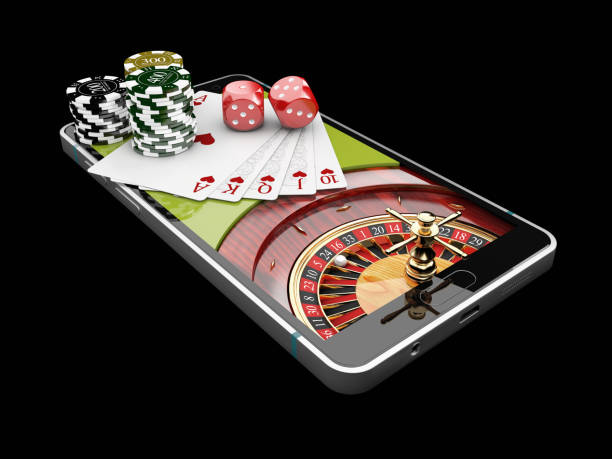
The rise of online casinos has transformed the landscape of high-stakes gambling, offering players access to their favorite games from the comfort of home. This shift has introduced new psychological dynamics, as players navigate the unique challenges of digital gambling environments. Online platforms provide an array of games and stakes, allowing for more personalized experiences but also increasing the temptation to overspend or chase losses.
The accessibility of online casinos means that the thrill of high-stakes gaming is now available 24/7. This constant availability can blur the lines between responsible gaming and compulsive gambling. Players may find themselves engaging in high-stakes games at inappropriate times or for reasons that are not purely recreational. The psychological effects of this continuous access necessitate a greater focus on self-regulation and awareness among online gamblers.
Furthermore, the anonymity of online gaming can change the psychological landscape of high-stakes gambling. Without the immediate social interactions found in traditional casinos, players might experience less social pressure but may also lack the social support systems that can help mitigate the risks of gambling. Understanding these shifts is crucial for players looking to maintain a healthy relationship with high-stakes gaming in the online realm.
